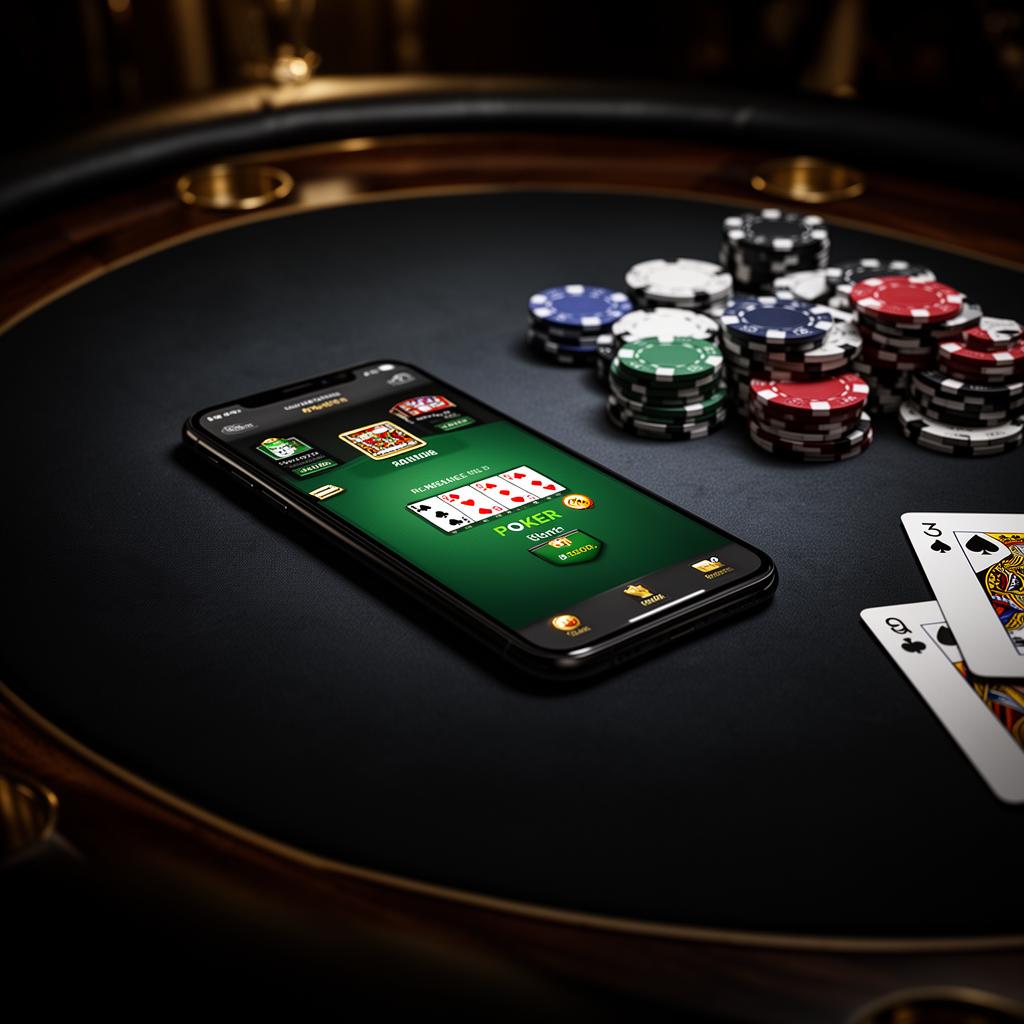
What Is Short Deck (6+ Hold'em)?
Short Deck is a variant of Hold'em played with a deck of just 36 cards — the 2s, 3s, 4s and 5s are removed. All players post an ante, and there's no classic blind structure (or only a button ante). The result: more action, bigger hands, and completely different math.
The Changed Hand Rankings
The reduced deck changes the probabilities of forming each hand. The official ranking on GGPoker/ClubGG:
- Royal Flush > Straight Flush > Four of a Kind
- Flush beats Full House (because a flush is rarer with only 9 cards per suit instead of 13)
- Full House > Straight (straights are more common since connected cards sit closer together)
- Three of a Kind > Two Pair > Pair
- A-6-7-8-9 is the lowest straight (the ace plays as a 5)
The Equity Shifts — Examples
The preflop equity distribution shifts significantly. AK vs QQ runs roughly 43-57 in regular Hold'em. In Short Deck, it's closer to 50-50. Pocket pairs lose relative value — it's harder to hit a set with only 36 cards. Suited connectors (JT, QJ, KQ) rise significantly in value.
Preflop Strategy
The guiding principle: everyone pays an ante, so the pot is always relatively large. This lowers the stack-to-pot ratio and encourages playing more hands. But not just any hand. The truly strong ones are:
- Mid-to-high pocket pairs (99+) — great for playing to stack off
- High suited connectors (JTs, QJs, KQs, AKs) — flush/straight potential
- Offsuit connectors (JT, QJ) — playing for a straight
- Avoid — 66, 77, 88 from early position (weak set-mining only)
Flop Play and Beyond
Because of the antes, fields stay large on the flop (usually 3-5 players). A small c-bet doesn't scare anyone. Key principles:
- Draw-heavy boards — strong draws are easy to make, so fold equity is low
- Overpairs are immediately suspect — sets are relatively common versus stack size
- Nut flush draws are almost always a call on the flop
- Bluff-catching is difficult — large bet sizing usually means a real hand
Common Mistakes
The biggest problem for a Hold'em player moving to Short Deck: treating hands the same way they would in regular poker.
- Playing low pocket pairs aggressively — a mistake, they only have value as set-mining
- Fearing the Flush — in Short Deck, a flush is a near-guaranteed winner
- Not factoring the antes into pot-odds calculations — everything must be recalculated
- Overplaying straight draws — they are common but not always the nuts
Where to Play Short Deck in Israel
ClubGG (via PokerGG.co.il) offers active Short Deck tables, especially in the evening hours. Limits range from micro ($0.10 ante) up to high stakes. The format is popular among Asian and European players — the fields are diverse and sometimes very soft.
Want to join the Israeli club?
Get personal onboarding in English — from download to the table. Fast and clear.