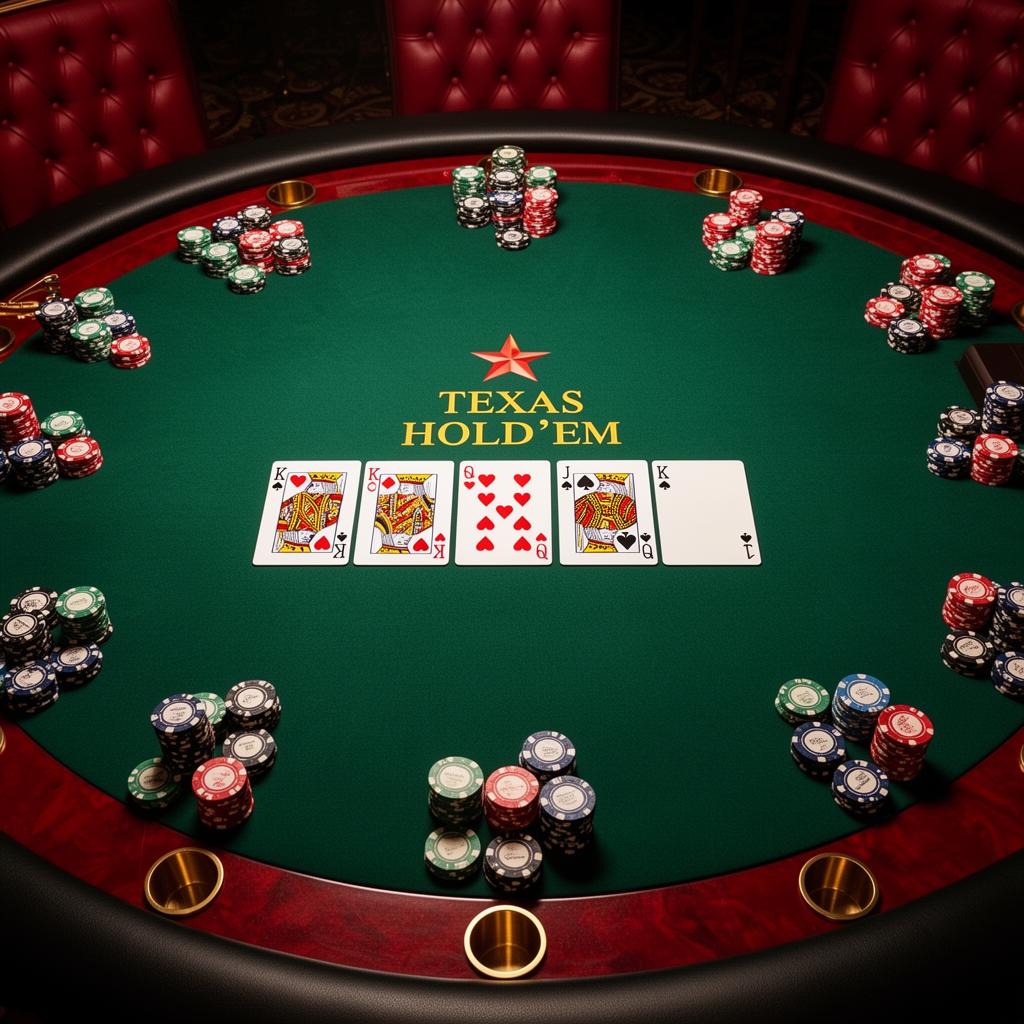
Short answer: what is a live dealer casino?
A live dealer casino is an online table game run by a real human dealer, streamed live on video from a studio (or occasionally a casino floor). You place your bets on screen, the dealer spins the wheel or deals the cards in front of the camera, and the result you see on the video is the result your bet is settled against. Nothing is simulated: no random-number generator decides the outcome, the physical action does.
How it works in five steps
The flow at almost every live table is the same:
- You open the table in a browser or app and buy in with your account balance
- A betting window opens, usually 10-20 seconds, and you click your chips onto the layout
- Betting closes; the human dealer spins the wheel or deals the cards on camera
- Optical recognition reads the physical result and reports it to the betting system
- Winning bets are settled to your balance and the next round starts
What a live casino actually is
A live casino is a real-time video broadcast of a human dealer running the game — roulette, blackjack, baccarat or casino poker — from a dedicated studio or sometimes from a physical casino floor. Players participate via computer or mobile, placing bets digitally, but the outcome is determined by a genuine physical action: a spinning roulette ball, cards dealt by hand. It's designed to bridge the gap between the feel of a physical casino and the convenience of playing from home.
How the streaming actually works
The technology relies on several cameras at different angles, optical recognition software that reads the card or ball result in real time and feeds it to the betting system, and a low-latency connection so bets close at exactly the right moment. An internet glitch or streaming issue can delay the result update, so a stable connection is essential before you play.
Game speed — live casino versus automated play
The key difference between a live casino and the automated (RNG) version of the same game is pace:
- Automated roulette — a spin roughly every 20-30 seconds
- Live roulette — a spin every 45-60 seconds on average, due to a genuine physical process
- Automated blackjack — a hand every few seconds
- Live blackjack — a hand roughly every minute, including time for other players' bets at the table
Why the slower pace matters
A slower pace means fewer rounds per hour, and as a result a slower average loss (or gain) relative to time played, even when the percentage house edge is identical. Someone playing an hour at a live casino generally "feeds" less money into the probability machine than someone playing an hour of fast automated play — a fact highly relevant to budget management.
Same house edge — but a different perception
It's important to understand: the mathematical house edge in a live game is generally identical to the house edge in the automated version of the same game, because the rules are the same. The difference is in the feeling — the presence of a human dealer and a "real" table creates an illusion of greater control or closeness, but it doesn't change the underlying math in any way.
Why RNG isn't the problem
There's a common misconception that a live casino is "more fair" because there's no algorithm involved. In practice, standard RNG games also undergo rigorous external testing of their random number generators, and they have no inherent tendency to "cheat" beyond the stated house edge. Choosing between live and automated is a matter of experience and pace, not fairness.
Tips before joining a live table
A few practical points worth checking before sitting down at a table:
- Make sure your internet connection is stable to avoid missing bets
- Check the minimum and maximum betting limits at the specific table
- Set a budget per hour in advance, not just per session — the slower pace can make you lose track of time
- Remember a human dealer doesn't change the house edge — it only changes the playing experience
A fundamental difference versus a skill game
It's worth remembering that even in a live casino, across all classic games (roulette, baccarat, blackjack without card counting) the house edge is fixed and can't be changed by player skill. That's fundamentally different from a game like poker, where you compete against other players rather than the house — for example on closed clubs like PokerGG.co.il running on ClubGG (Club ID 354141), where personal improvement directly affects the outcome.
Safety checklist before you play
Treat a live table as paid entertainment, not income. Before you sit down:
- Confirm the operator is permitted where you are — local law decides what you may legally play, not the site
- Read the table rules page: payout rules and side bets change the house edge
- Set a deposit and time limit in the account tools before the first hand, not after a loss
- Never chase a loss by raising stakes; a slower table makes losses feel smaller than they are
- Stop if play stops being fun — see our responsible-gaming and gambling-addiction pages for tools and helplines
- Age policy: PokerGG.co.il content and services are intended for 21+, subject to local law and platform terms
Source notes and how this was reviewed
Written and reviewed by the PokerGG.co.il editorial team, last reviewed in 2026. Pace figures are our own observed ranges from public live tables and vary by studio and table; treat them as typical ranges, not guarantees. House-edge statements follow the published rules of each game (European vs American roulette, blackjack payout rules, baccarat commission) — always check the specific table's rules page, because payout variations change the edge. We do not operate a casino, we do not accept wagers, and nothing here is legal or financial advice.
Want to join the Israeli club?
Get personal onboarding in English — from download to the table. Fast and clear.