The legal picture
The Penal Law bans illegal games and gambling, defining a prohibited game as one where winning depends more on luck than skill. In Israel only two exceptions were regulated: the National Lottery (Mifal HaPayis) and the Council for the Regulation of Sports Betting. So there is no licensed online casino in Israel, and the sites operating here do so from abroad without local oversight.
What this means for players in practice
When there is no local regulator, there's nowhere to turn in a dispute. Common complaints include delayed withdrawals, repeated KYC demands only at the withdrawal stage, retroactive bonus term changes, and account closures after a big win. This risk is bigger than the game's own math.
A checklist for spotting a problematic site
Before depositing money, it's worth going through this list. Missing any item is a red flag.
- No verifiable license number on the regulator's website
- No RNG certification from an external body like eCOGRA or BMM
- Bonus terms not available before registration
- Wagering requirements above x50 or a low withdrawal cap
- No published withdrawal times
- Support that doesn't respond within 24 hours
Why there's no "system" that beats a casino site
Every game is built around a fixed house edge: 2.7% on European roulette, 3%-8% on slots. No betting sequence or money-management method turns negative expected value into positive. Bonuses usually don't compensate for the gap once wagering requirements are factored in.
The alternative: playing against other players
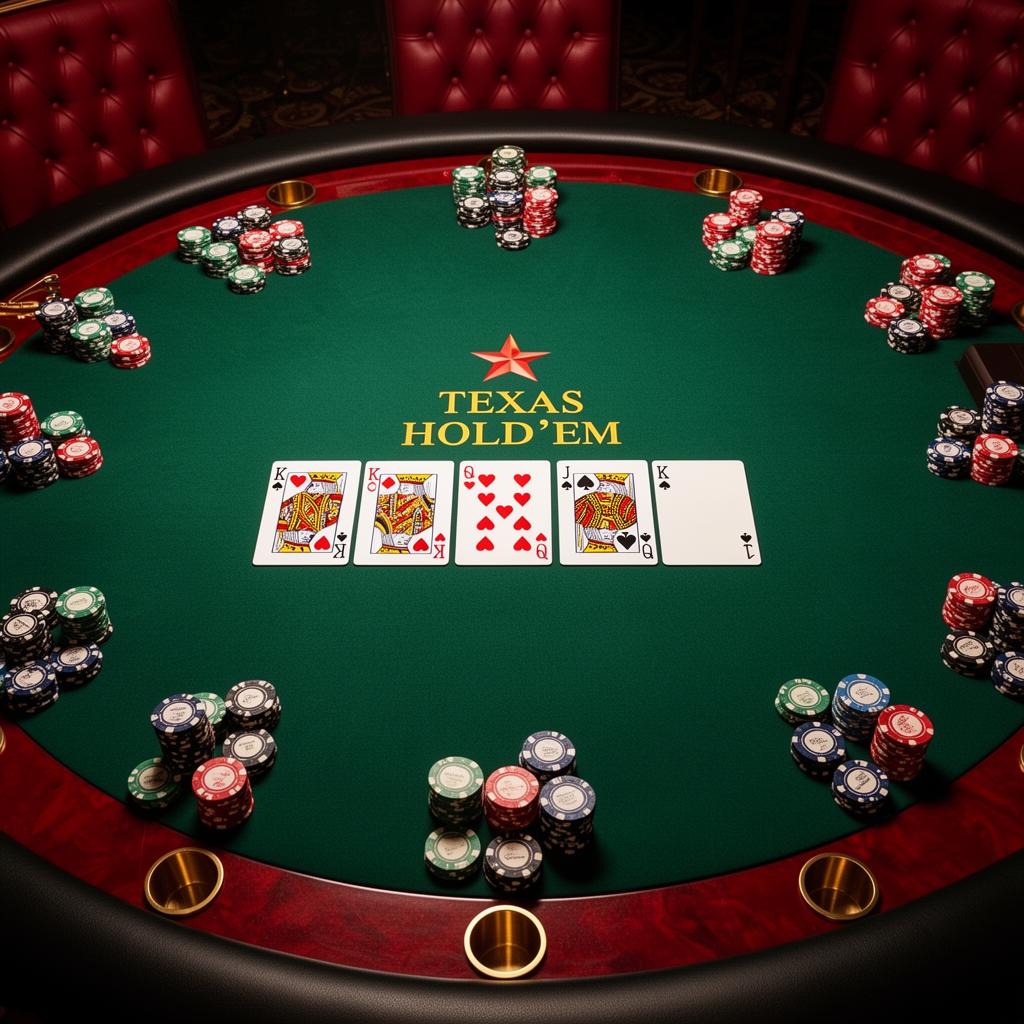
In a poker club you play against people, not against a formula, and the house only collects rake. A closed Israeli club also offers Hebrew-language support, human guidance, and a community — and you can start with virtual currency to learn without financial risk.
Want to join the Israeli club?
Get personal onboarding in English — from download to the table. Fast and clear.