The one-line definition
RTP (Return To Player) is the theoretical payback percentage to a player over millions of repetitions. House edge is its complement to 100%. An RTP of 96% equals a house edge of 4%. Both numbers describe a long-run average — not a forecast for a single session and not a guarantee for any individual player.
The formula worth memorizing
Expected loss = average bet × rounds per hour × house edge. This is the only fair way to compare games, because a game with a low edge but a fast pace can cost more than a game with a high edge and a slow pace.
Variance — why one evening proves nothing
House edge is the average; variance is how widely results scatter around it. A high-variance slot can go 300 spins without paying and then pay out 200x. That is why people "win" at a casino in the short term, and that exact same reason is why the win disappears over a large sample.
Quick comparison table
The numbers vary slightly depending on specific house rules, but these are the widely accepted reference ranges.
- Blackjack (basic strategy) — 0.5%
- Baccarat Banker — 1.06% · Player — 1.24%
- French Roulette — 1.35% · European — 2.70%
- Casino Hold'em — about 2.2% · Three Card Poker — about 3.4%
- American Roulette — 5.26%
- Slots — 3%-8% · Keno — 10%-25%
Where RTP is completely irrelevant
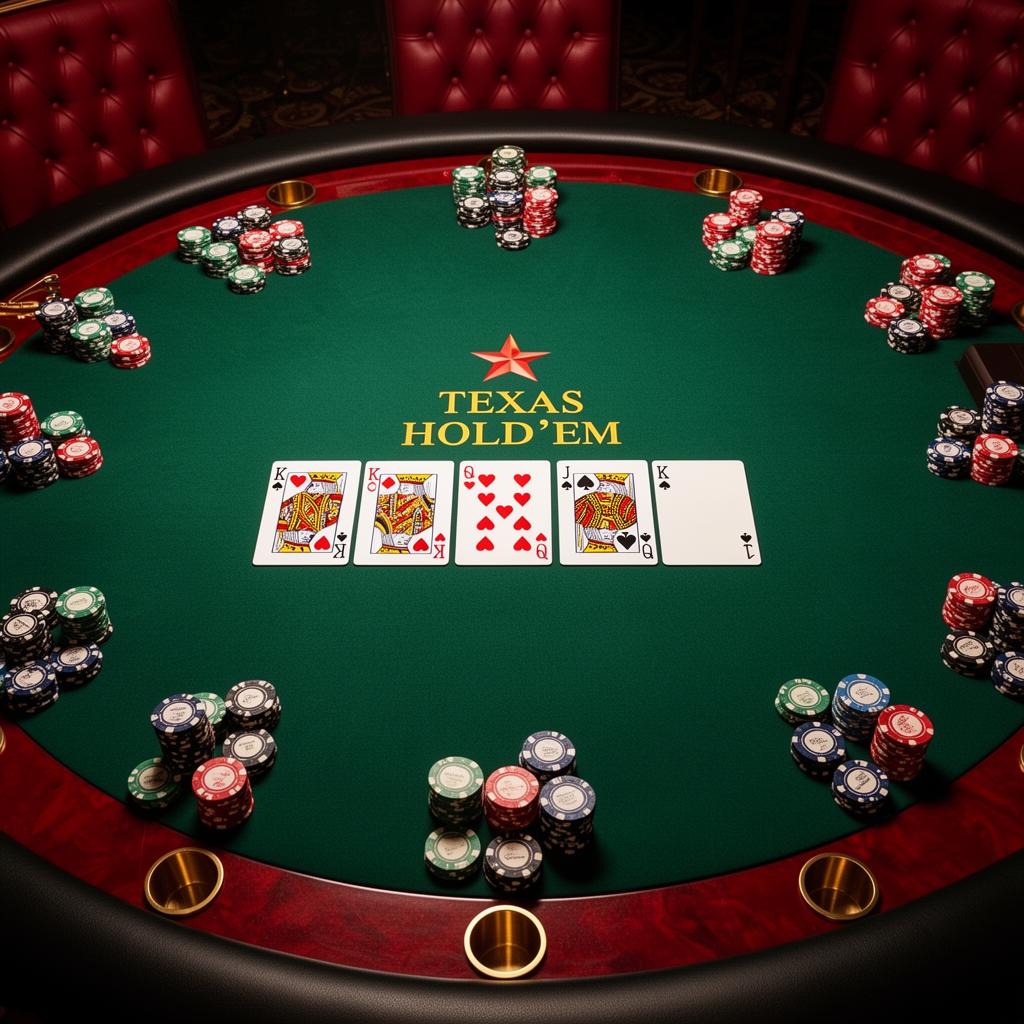
Poker has no RTP, because there is no house playing against you. There is rake — a commission on the pot — and the outcome is decided against your opponents. That is the one place where study and persistence actually change the final number.
Want to join the Israeli club?
Get personal onboarding in English — from download to the table. Fast and clear.